Thedacare and Apricity Expand Emergency Bedside Recovery Support Program
Services Now Available at Oshkosh and Fond du Lac Campuses
ThedaCare and Apricity are expanding the Emergency Department to Recovery (ED2Recovery+) program to two additional health campuses, bringing bedside recovery support to more patients experiencing substance use in northeast and central Wisconsin.
The ED2Recovery+ program offers patients who come to an emergency department (ED) with a substance use disorder (SUD) or overdose the opportunity to engage with recovery coaches. ThedaCare partners with Apricity, which employs the recovery coaches.
“Addressing substance use disorders requires more than treating the immediate medical emergency. It demands strong community partnerships and a true continuum of care,” explained Paula Morgen, Director of Community Health Improvement at ThedaCare. “By working together to increase awareness, reduce stigma and ensure patients have access to recovery coaches and ongoing services, we can turn a moment of crisis into an opportunity for lasting change and help build a healthier community for everyone.”
When a patient is identified as needing help, the ED team calls Apricity’s 24/7 Recovery Coach Hotline, and a coach arrives within an hour. If the patient is willing, the coach begins offering support and guidance immediately. Recovery coaches have walked the journey of recovery themselves and have been sober for at least a year, so they can offer real life experience. This immediate connection helps people start on a safer path at a critical moment.
“When someone comes into an ED intoxicated or after an overdose, they’re not thinking about the next steps. They’re just trying to get through the moment,” said Dan Haak, President, Apricity Contract Packaging and Recovery Support. “A recovery coach can be that steady guide, someone who understands what they’re feeling and can help them take the first small step toward recovery or treatment.”
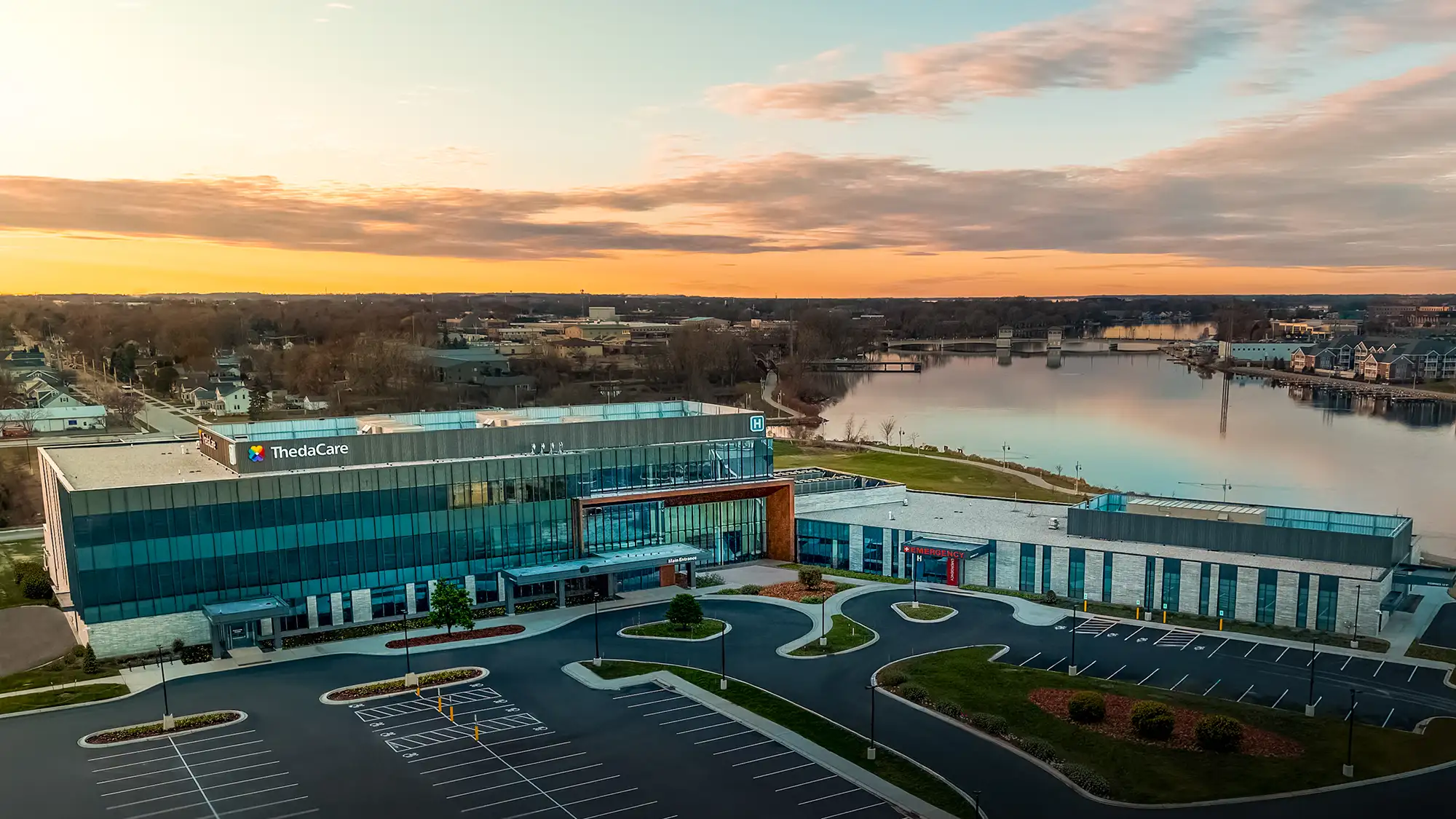
ThedaCare launched the ED2Recovery+ program in December 2020 at three hospitals, rolling out to four more shortly thereafter. Ascension became a program partner in 2022, adding 3 locations. Now, the program is growing again to include the new health campuses of ThedaCare Medical Center-Fond du Lac and ThedaCare Medical Center-Oshkosh, which opened in 2025 and 2026, respectively. This brings the number of ThedaCare and Ascension locations that participate in the ED2Recovery+ program to 12 hospital campuses in 8 counties.
The Need for Services
In the last five years, more than 2,000 people have been offered a recovery coach and the opportunity to begin the recovery journey through the program. Of those individuals who engaged with the program, 45% remained opioid-sober while connected to a recovery coach.
Dr. William Kumprey, Associate Chief Medical Officer of Emergency Care and an Emergency Medicine Physician with ThedaCare, has connected ED2Recovery+ coaches with his patients.
“When patients come into the emergency department after an opioid, stimulant or alcohol overdose, we’re treating more than a medical crisis. We could be witnessing a critical turning point in someone’s life,” said Dr. Kumprey. “The ED2Recovery+ program allows us to offer immediate access to recovery coaches right at the bedside, when patients may be most open to change. Through our partnership with Apricity, we’re able to connect patients to treatment, and also to employment support, transitional living and educational opportunities. It can transform a moment of crisis into a pathway toward long-term recovery.”
A recovery coach can stay in contact with a patient for up to 18 months, providing consistent support. Coaches also facilitate connections with organizations that provide basic needs items such as food, clothing, and housing, in addition to specialized care such as treatment for SUD or mental health counseling.
Substance use is a serious and growing problem in Wisconsin. The state ranks near the top in the nation for alcohol use and binge drinking, and alcohol is the most common substance used by people referred to treatment, Apricity noted. Opioid-related deaths have also risen, and Wisconsin now averages nearly 25 overdose deaths for every 100,000 people. At the same time, almost 1 in 5 adults in Wisconsin had a SUD in the past year, yet most did not receive treatment, according to the Wisconsin Department of Health and Human Services. Many people don’t know where to go, face long waits, or worry about cost and stigma. These realities show why it is so important to have effective, accessible support in places like the ED, where many people first come during a crisis.
The people Apricity meets in ED are often trying to understand their options for treatment or recovery. Connecting with individuals at the hospital, often at a vulnerable moment following intoxication or an overdose, creates a critical opportunity to offer guidance, stabilize next steps, and link them to ongoing recovery support.
“We are grateful for the partnership and the opportunity to expand the program, providing the right support at the right time,” said Morgen. “We hope this program continues to allow people to define what their recovery looks like for them, creating support networks and recovery communities that help more people lead healthier lives.”
To learn more about the program, please visit ED2Recovery+.